Best Siding for Coastal Homes: Top Picks That Last
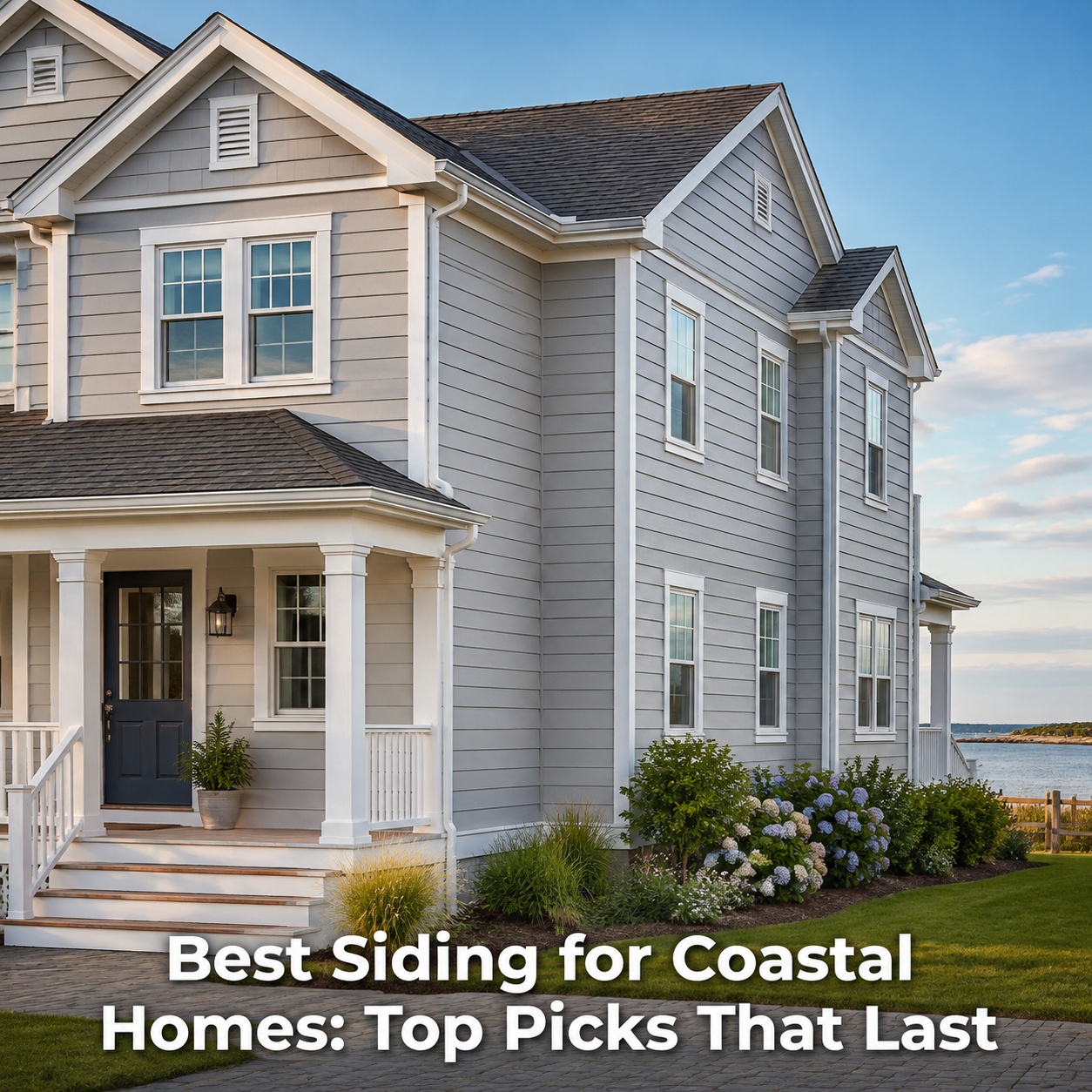
Living near the coast is a dream for many homeowners, but the environment is genuinely tough on building materials. Salt air, relentless humidity, strong winds, and intense UV exposure combine to break down siding faster than almost any other climate condition. Choosing the wrong material can mean premature rot, corrosion, peeling paint, and expensive repairs within just a few years of installation.
The good news is that siding technology has advanced significantly, and there are now several excellent options designed specifically to handle coastal punishment. The challenge is sorting through the marketing claims and understanding which materials actually perform under real coastal conditions. This guide breaks down the top choices honestly, covering durability, maintenance, cost structure, and long-term value so you can make a confident decision.
If you are also thinking about your roof while planning a coastal renovation, the best roofing materials for coastal homes follow many of the same principles covered here. Getting both right at the same time saves money and ensures your entire exterior works as a unified system against the elements.
Best Siding for Coastal Homes: What Matters Most
Before comparing specific products, it helps to understand what coastal environments actually demand from siding. Not every coastal home faces identical conditions. A beachfront property on the Gulf Coast deals with different challenges than a cliffside home in the Pacific Northwest. Understanding your specific exposure level shapes every decision that follows.
Salt, Wind, Moisture, and Impact Resistance
Salt air is the defining threat in coastal climates. Airborne salt particles settle on every exterior surface and accelerate corrosion, paint failure, and material degradation. Materials that perform well inland can fail rapidly when exposed to consistent salt air, which is why coastal-specific ratings and certifications matter so much.
Wind resistance is equally critical. Coastal storms generate sustained winds and sudden gusts that test every fastener, seam, and panel edge. Siding with a strong hurricane rating and proper installation methods can mean the difference between minor cosmetic damage and catastrophic structural failure during a major storm.
Moisture resistance and mold and mildew resistance go hand in hand in coastal settings. High humidity, frequent rain, and ocean spray create conditions where moisture infiltrates any gap or crack. Materials that absorb water swell, warp, and eventually rot. Mold and mildew establish quickly on surfaces that stay damp, creating both aesthetic and health concerns.
Impact resistance matters more than many homeowners realize. Flying debris during storms, hail, and even salt-laden sand carried by strong winds can pit, crack, or puncture siding panels. Here is a quick comparison of how the main siding types perform across these key factors:
| Siding Type | Salt Air Resistance | Wind Resistance | Moisture Resistance | Impact Resistance |
|---|---|---|---|---|
| Fiber Cement | Excellent | Excellent | Excellent | Very Good |
| Vinyl | Very Good | Good | Excellent | Good |
| Engineered Wood | Good | Good | Good | Good |
| Metal | Good (coated) | Excellent | Excellent | Excellent |
| Composite | Very Good | Very Good | Very Good | Very Good |
Maintenance, Lifespan, and Appearance
Maintenance requirements directly affect the true cost of ownership over time. Some siding options look affordable upfront but demand frequent painting, sealing, or treatment to survive coastal conditions. Others cost more initially but require almost nothing beyond occasional cleaning.
Lifespan varies dramatically between materials in coastal climates. A product rated for decades in a mild inland climate may deliver far fewer years when exposed to constant salt air and humidity. Always look for manufacturer data specific to coastal or marine environments rather than general lifespan claims.
Appearance matters too, especially for coastal properties where curb appeal and resale value are closely tied to the home’s exterior presentation. The best siding combines durability with visual appeal, offering texture options, color variety, and UV protection that keeps the finish looking fresh without constant repainting.
Top Siding Options Compared
Each major siding category has genuine strengths and real limitations in coastal environments. Understanding both sides of each option helps you match the right material to your specific home, budget, and exposure level.
Fiber Cement
Fiber cement siding is widely considered the gold standard for coastal homes, and the reputation is well earned. Made from a blend of cement, sand, and cellulose fibers, it resists rot, insects, fire, and moisture at a level that most other materials cannot match. James Hardie is the most recognized brand in this category, and their products are specifically engineered for high-humidity and salt air environments.
Fiber cement offers excellent paint adhesion, which matters enormously in coastal climates where UV protection and color retention are ongoing concerns. The material holds paint longer than wood and accepts repainting well when the time comes. It also carries strong hurricane ratings and meets demanding building codes in coastal zones.
The main trade-offs are weight and installation complexity. Fiber cement panels are heavy, requiring more labor and structural consideration during installation. It also needs periodic repainting, typically every several years depending on sun and salt exposure, which adds to long-term maintenance costs.
Vinyl
Vinyl siding is the most popular choice across the country, and it performs reasonably well in coastal climates when you select the right product. Standard vinyl is not ideal for severe coastal exposure, but premium thick-wall vinyl with UV protection and impact-resistant formulations handles salt air and moisture very effectively.
The biggest advantage of vinyl is its near-zero moisture absorption. It will not rot, swell, or support mold and mildew growth the way wood-based materials can. Cleaning is simple, and the color is baked into the material rather than painted on, eliminating the need for repainting entirely.
The limitations show up in extreme wind events. Standard vinyl panels can crack under high impact and may detach in hurricane-force winds if not installed with coastal-rated fastening systems. Thicker, reinforced vinyl products address this concern but move into a higher price tier. UV exposure over many years can also cause fading and brittleness in lower-quality products.
Engineered Wood
Engineered wood siding offers the natural appearance of cedar siding or traditional wood siding without the same vulnerability to rot and insects. It is manufactured from wood fibers and resins compressed under heat and pressure, creating a denser, more stable product than natural wood.
For coastal homes with moderate exposure, engineered wood can be a solid choice. It accepts paint well, offers good insulation value compared to thinner materials, and delivers an authentic wood aesthetic that many homeowners prefer. Products from reputable manufacturers include meaningful warranty coverage and are treated for moisture resistance.
However, engineered wood is not the best choice for homes in direct beachfront positions or areas with severe storm exposure. It requires more maintenance than fiber cement or vinyl, including regular painting and inspection for any areas where moisture might penetrate the finish. Damage to the surface coating needs prompt attention to prevent deeper moisture infiltration.
Metal and Composite Options
Aluminum siding has a long history in coastal applications because of its natural corrosion resistance. Modern aluminum products with factory-applied coatings perform well against salt air and require minimal maintenance. The material is lightweight, which simplifies installation, and it holds up well in high-wind events.
Steel siding offers superior impact resistance but requires careful attention to corrosion resistance in coastal environments. Galvanized or specially coated steel products are appropriate for coastal use, but bare or inadequately coated steel will rust when exposed to salt air. Always verify the specific coating and warranty coverage before selecting steel in a marine environment.
Composite siding combines multiple materials to deliver balanced performance across durability, appearance, and maintenance requirements. Many composite products include built-in UV protection, moisture barriers, and impact-resistant cores. They sit in the mid-range to premium tier and represent a strong option for homeowners who want long-term performance without the weight of fiber cement.
Pricing, Installation, and Long-Term Value
Cost is always part of the conversation, and coastal siding decisions involve more financial complexity than a simple per-panel price comparison. The right framework looks at total cost of ownership rather than just the initial installation invoice.
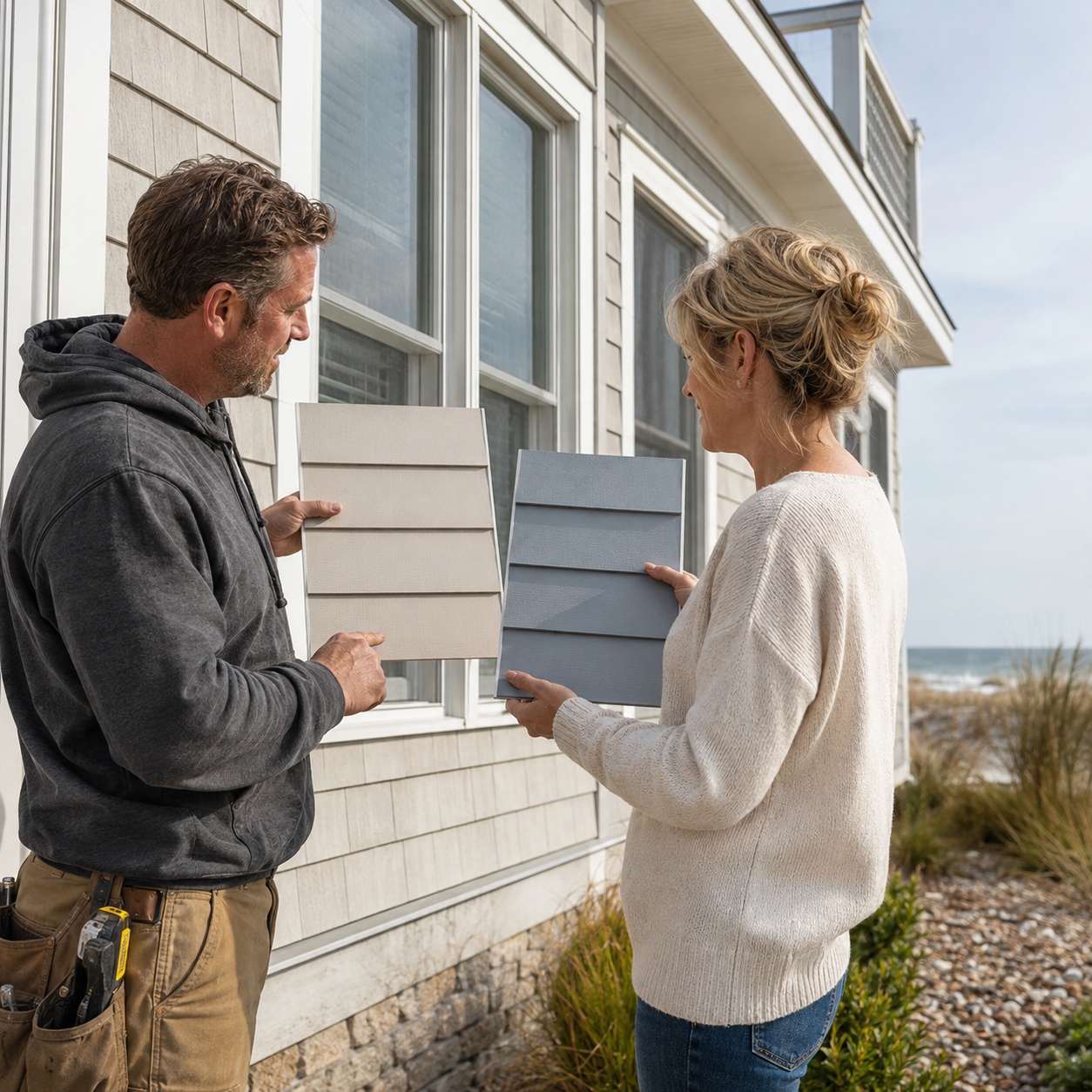
Upfront Cost vs. Durability
Entry-level vinyl sits at the most accessible price point, but standard products may not deliver the performance needed in severe coastal environments. Moving to premium vinyl with impact resistance and UV protection costs more upfront but reduces replacement and repair frequency significantly.
Fiber cement occupies the mid-range to premium tier depending on the product line and regional labor rates. The higher initial investment is offset by a longer service life and lower maintenance frequency compared to wood-based alternatives. Over a full ownership period, fiber cement often delivers better value than cheaper options that require more frequent intervention.
Metal and composite options generally sit at the premium end of the market. The durability and low maintenance requirements justify the investment for many coastal homeowners, particularly those in high-exposure locations where material failure carries significant consequences. Getting a written quote for your specific project is the most reliable way to understand actual costs for your home.
Installation Complexity and Labor
Installation cost is driven by material weight, panel size, fastening requirements, and the complexity of your home’s exterior. Fiber cement requires experienced installers because of its weight and the precision needed for proper sealing and fastening. Cutting fiber cement also requires specialized tools and dust management, adding to labor time.
Vinyl is generally faster and easier to install, which reduces labor costs. However, coastal installation requires additional attention to fastening patterns and wind uplift resistance, which adds time compared to standard inland installation. Skipping these steps to save money creates real risk during storm events.
Proper installation is not optional in coastal environments. Even the best siding material will fail prematurely if installed without attention to coastal-specific requirements. Verify that your contractor has experience with coastal projects and understands local building codes before signing any contract.
Repair Costs and Maintenance Over Time
Repair costs vary significantly between materials. Vinyl panels that crack or detach are relatively inexpensive to replace individually, though color matching can be challenging if the original product line has been discontinued. Fiber cement repairs are more involved but less frequent, and the material’s durability means damage events are rarer.
Wood-based products, including engineered wood, carry the highest ongoing maintenance burden in coastal climates. Regular painting, sealing, and inspection add up over time, and any lapse in maintenance can lead to moisture damage that requires more extensive and expensive repair work.
Just as siding choices affect long-term costs, so do window selections. Pairing durable siding with energy-efficient replacement windows creates a more complete coastal envelope that reduces both energy bills and moisture infiltration risk over time.
Alternatives and Buying Advice
Matching the right siding to your specific situation requires thinking beyond general rankings. Budget, storm exposure level, and your tolerance for ongoing maintenance all shape the best answer for your home.
Best Choices by Budget
At the entry level, premium vinyl with UV protection and impact resistance offers the best combination of affordability and coastal performance. Avoid the thinnest, cheapest vinyl products in coastal environments, as they are designed for mild climates and will underperform quickly.
Mid-range budgets open the door to engineered wood and entry-level fiber cement products. Both deliver meaningful improvements in durability and appearance over basic vinyl. Fiber cement is the stronger coastal performer between the two, particularly in high-humidity and salt air conditions.
Premium budgets allow access to James Hardie’s full product line, high-end composite siding, and properly coated metal options. These materials deliver the longest service life and lowest maintenance burden, making them the most cost-effective choice over a full ownership period despite higher initial investment.
Best Choices by Storm Exposure
Homes with moderate coastal exposure, meaning they are set back from the water with some natural wind protection, have more flexibility in material selection. Engineered wood, premium vinyl, and mid-range fiber cement all perform acceptably in these conditions with proper installation.
Direct beachfront properties and homes in hurricane-prone regions need the strongest available options. Fiber cement with hurricane-rated installation, properly coated metal siding, or premium composite products are the appropriate choices. These locations also benefit from siding that meets or exceeds local building codes for wind uplift and impact resistance.
For homes in areas with frequent severe storms, it is worth reviewing wind resistance standards alongside siding choices. The same principles that apply to high-wind roofing materials apply to siding selection, and coordinating both decisions creates a more resilient exterior system overall.
What to Ask Before Buying
Before committing to any siding product, ask your contractor and supplier these specific questions:
- Does this product carry a coastal or marine environment warranty?
- What is the hurricane rating and how was it tested?
- What are the specific maintenance requirements in salt air conditions?
- Does this product meet local building codes for coastal construction?
- What fastening system is required for wind uplift resistance in my area?
- How does the warranty coverage change if installation requirements are not followed exactly?
Getting clear answers to these questions before purchase protects you from expensive surprises after installation. A contractor who cannot answer them confidently may not have the coastal experience your project requires.
Conclusion
Coastal homes demand siding that can genuinely handle salt air, moisture, wind, and UV exposure over many years without constant intervention. Fiber cement leads the field for overall coastal performance, with premium vinyl and composite options offering strong alternatives depending on budget and exposure level. Engineered wood and metal products each have a place in the right circumstances, but require careful product selection and installation attention.
The most important takeaway is that no siding material performs well in coastal conditions without proper installation and appropriate product selection for your specific exposure level. Investing in the right material and a qualified installer pays dividends in reduced maintenance, fewer repairs, and a home exterior that holds its value and appearance through years of coastal weather.
FAQ
What siding lasts longest in coastal climates?
Fiber cement siding, particularly products from James Hardie, consistently delivers the longest service life in coastal climates. Its resistance to rot, moisture, salt air, and insects, combined with strong hurricane ratings, makes it the top performer for long-term durability. Properly coated metal siding and premium composite options also offer excellent longevity in coastal environments.
Which siding needs the least maintenance near the ocean?
Vinyl siding requires the least ongoing maintenance in coastal environments because it does not need painting and resists moisture absorption completely. Premium vinyl with UV protection maintains its appearance with simple periodic cleaning. Metal siding with factory-applied coatings is also very low maintenance, though it requires inspection for any coating damage that could expose the substrate to corrosion.
Is fiber cement better than vinyl for coastal homes?
Fiber cement generally outperforms vinyl in severe coastal conditions because of its superior impact resistance, paint adhesion, and structural strength in high-wind events. However, premium vinyl is a legitimate alternative for homes with moderate coastal exposure and tighter budgets. The right answer depends on your specific location, storm exposure level, and how much ongoing maintenance you are willing to manage over the life of the siding.