Best Roofing Materials for Coastal Homes: Top Picks
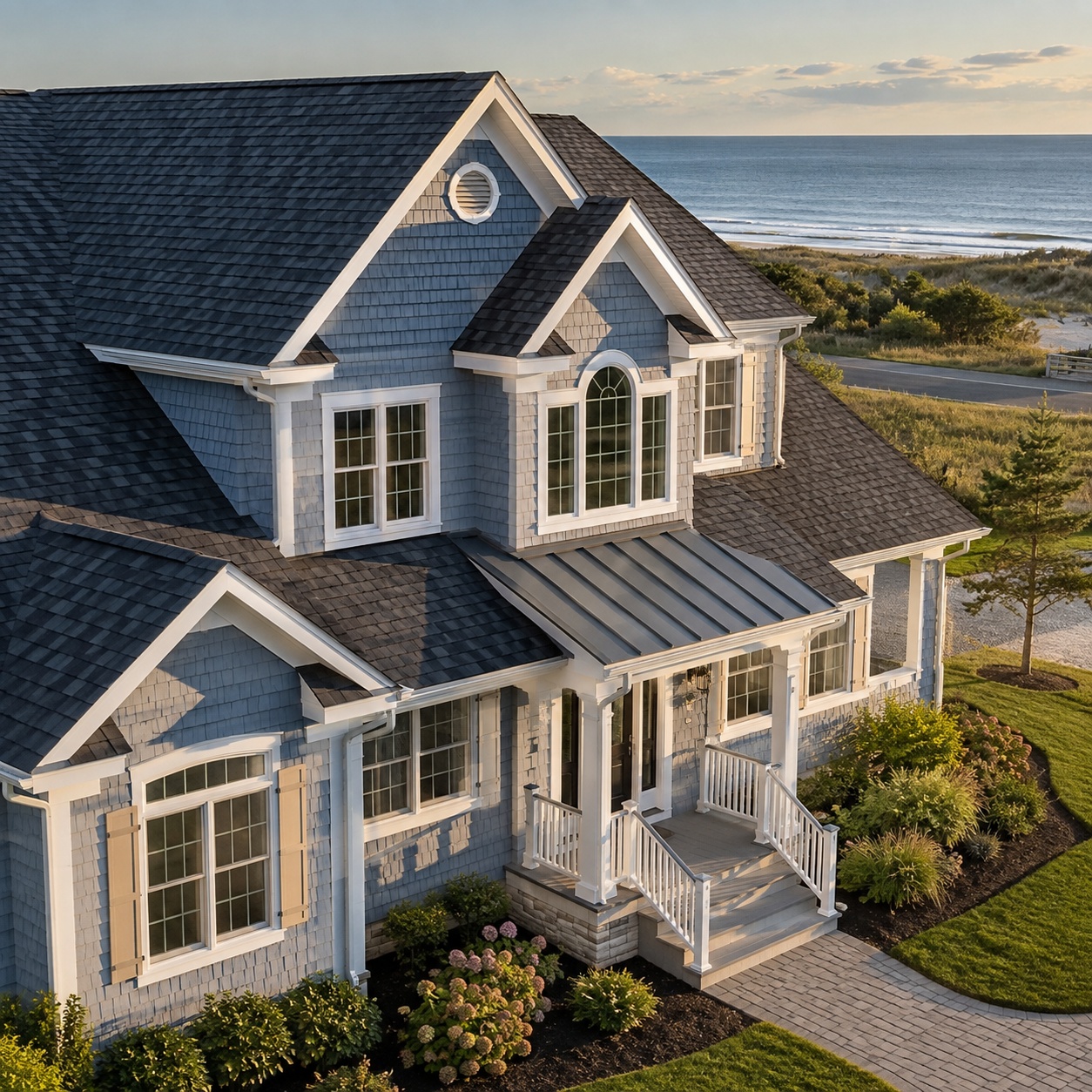
Living near the ocean is a dream for many homeowners, but it comes with a unique set of challenges that most inland properties never face. Salt air corrosion, powerful coastal storms, high humidity, and relentless wind exposure can destroy an ordinary roof in a fraction of its expected lifespan. Choosing the right roofing material from the start is one of the most important decisions a coastal homeowner can make.
The good news is that the roofing industry has developed excellent solutions specifically suited to coastal climate conditions. From standing seam metal roofs to clay tile roofing and advanced synthetic options, there are materials built to handle everything the ocean environment throws at them. This guide walks you through every major option, covering real-world performance, maintenance realities, and practical buying advice so you can make a confident, informed decision.
Whether you are building a new coastal home or replacing an aging roof, understanding the differences between materials will save you money, stress, and repeated repairs over the long run. This article covers the key criteria for selection, the top materials available, homeowner and contractor insights, and answers to the most common questions coastal homeowners ask.
Key Criteria for Choosing Roofing Material in Coastal Climates
Selecting a roof for a coastal home is not the same as choosing one for a suburban neighborhood inland. The environment is harsher, the stakes are higher, and the wrong choice can lead to premature failure, expensive repairs, and even structural damage. Before comparing specific materials, it helps to understand the core criteria that should drive your decision.
Weather, Wind, and Salt Exposure Considerations
Coastal climates are defined by a combination of factors that work together to degrade roofing materials faster than almost any other environment. Salt air corrosion is one of the most damaging forces a roof can face. Salt particles carried by ocean breezes settle on roofing surfaces and fasteners, accelerating rust, oxidation, and material breakdown over time.
Wind resistance is equally critical. Coastal areas are frequently exposed to high-speed winds, tropical storms, and in some regions, full hurricane-force conditions. A roof that cannot handle significant wind uplift rating requirements is a liability, not an asset.
Storm damage from coastal weather events is not a matter of if, but when. Your roofing material needs to be rated for impact resistance and capable of staying intact under sustained wind loads. Here is a quick comparison of how major materials perform across these key environmental factors:
| Roofing Material | Salt Air Resistance | Wind Resistance | Impact Resistance | Moisture Resistance |
|---|---|---|---|---|
| Standing Seam Metal | Excellent | Excellent | High | Excellent |
| Clay Tile | Excellent | Good | Moderate | Excellent |
| Concrete Tile | Good | Good | Moderate | Good |
| Architectural Asphalt | Fair | Moderate | Moderate | Fair |
| Synthetic Composite | Very Good | Very Good | High | Very Good |
Durability, Lifespan, and Maintenance Requirements
Roof lifespan matters enormously in a coastal setting because replacement is expensive and disruptive. Materials that perform adequately inland may degrade rapidly when exposed to constant salt air and moisture. Choosing a longer-lasting material upfront almost always costs less over time than replacing a cheaper roof every decade.
Roof maintenance requirements also vary significantly between materials. Some options, like metal roofing, need very little ongoing attention beyond periodic inspections. Others, like concrete tile roofing, may require regular checks for cracked tiles and debris accumulation in valleys.
A longer lifespan paired with lower maintenance needs is the ideal combination for coastal homeowners who want peace of mind. Always factor in the total cost of ownership, not just the initial installation price.
Energy Efficiency, Insulation, and Environmental Impact
Energy efficiency is a growing priority for coastal homeowners, especially in warm, sunny regions where cooling costs can be substantial. Reflective roofing materials and proper insulation beneath the roof deck can meaningfully reduce indoor temperatures and lower energy bills year-round.
Metal roofing, particularly aluminum roofing with reflective coatings, performs exceptionally well in this area. Roof coating products applied to various materials can also boost reflectivity and extend the life of the surface layer.
- Reflective metal roofs can significantly reduce heat absorption
- Clay tile roofing allows natural airflow beneath tiles, improving ventilation
- Synthetic roofing products increasingly incorporate insulating properties
- Proper attic insulation works in tandem with any roofing material for best results
Aesthetic Appeal and Neighborhood Compatibility
Coastal communities often have distinct architectural styles, and your roof plays a major role in your home’s curb appeal and resale value. Clay tile roofing is iconic in Mediterranean and Spanish-style coastal communities. Metal roofing suits modern, contemporary, and cottage-style homes beautifully.
Neighborhood compatibility matters beyond personal taste. Many coastal communities have homeowner association guidelines or local building codes that restrict certain roofing materials or colors. Always verify local requirements before committing to a material.
Synthetic roofing products have improved dramatically in appearance and can now convincingly replicate the look of slate, wood shake, or tile while offering superior coastal performance.
Top Roofing Materials for Coastal Homes: Features, Benefits, and Pricing
Each major roofing material has a distinct profile of strengths and weaknesses in a coastal environment. Understanding these differences helps you match the right material to your home’s specific location, structure, and budget.
Metal Roofing: Corrosion Resistance, Longevity, and Cost Range
Metal roofing is widely considered the gold standard for coastal homes, and for good reason. It offers outstanding wind resistance, exceptional moisture resistance, and when properly coated, excellent protection against salt air corrosion. Among metal options, aluminum roofing stands out as particularly well-suited to coastal climates because aluminum does not rust.
Galvanized steel is another popular option, though it requires high-quality coatings to resist salt air effectively. Zinc roofing and copper roofing sit at the premium end of the metal spectrum, offering extraordinary longevity and a distinctive aesthetic that many coastal homeowners love.
Standing seam metal roof systems are especially popular in hurricane-prone areas because the concealed fastener design eliminates exposed screws that could loosen or corrode. The interlocking panel system also provides superior wind uplift rating performance.
- Aluminum roofing: naturally corrosion-resistant, lightweight, ideal for coastal use
- Galvanized steel: strong and durable with proper coating, heavier than aluminum
- Zinc roofing: self-healing surface, extremely long lifespan, premium cost
- Copper roofing: beautiful patina over time, exceptional durability, highest cost tier
- Standing seam systems: best wind resistance, concealed fasteners, low maintenance
Metal roofing sits in the mid-range to premium cost tier. Aluminum and galvanized steel options are more accessible, while zinc and copper represent the highest investment. The price reflects the material’s longevity, and most metal roofs outlast two or three asphalt shingle replacements. Get a written quote from a local roofing contractor to understand the actual cost for your specific home.
Clay and Concrete Tile: Storm Performance, Weight, and Installation Factors
Clay tile roofing has been used in coastal regions for centuries, and its track record speaks for itself. Clay tiles are naturally resistant to salt air corrosion, do not absorb moisture easily, and hold up well in high-heat coastal environments. They are a top choice in Florida, California, and other warm coastal states.
Concrete tile roofing offers similar benefits at a lower cost tier than clay, though it is heavier and can absorb slightly more moisture over time. Both tile types require a structurally reinforced roof deck to handle their significant weight, which adds to installation complexity and cost.
The weight of tile roofing is both a strength and a limitation. Heavy tiles resist wind uplift effectively, but not every home structure can support them without reinforcement. Always have a structural assessment done before choosing tile for a retrofit installation.
Hurricane protection performance for tile roofing depends heavily on installation quality. Properly installed and hurricane-strapped tiles perform well, but improperly installed tiles can become dangerous projectiles in extreme storm conditions.
Architectural Asphalt Shingles: Affordability, Impact Ratings, and Limitations
Architectural asphalt shingles are the most widely used roofing material in North America, and they remain a viable option for coastal homes in lower-risk zones. They are the most budget-friendly entry-level choice and have improved significantly in terms of impact resistance and wind resistance ratings.
However, asphalt shingles have real limitations in harsh coastal climates. Salt air exposure can accelerate granule loss, reducing the shingle’s protective layer faster than in inland environments. Moisture resistance is adequate but not exceptional, and roof lifespan in coastal conditions is typically shorter than manufacturer estimates suggest.
- Look for shingles rated Class 4 impact resistance for best coastal performance
- Wind resistance ratings of 130 mph or higher are recommended for storm-prone areas
- Algae-resistant shingles help combat the moisture and humidity common in coastal climates
- Regular roof maintenance is essential to maximize lifespan near the ocean
Architectural asphalt shingles cost less than metal, tile, or synthetic options, making them attractive for budget-conscious homeowners. They are best suited for coastal areas with moderate rather than extreme weather exposure.
Synthetic and Composite Roofing: Coastal Suitability and Value Over Time
Synthetic roofing products have emerged as a compelling option for coastal homes. Made from engineered polymers, rubber, or composite blends, these materials are designed to replicate the appearance of natural materials while delivering superior performance in challenging environments.
Moisture resistance is a standout feature of synthetic roofing. Unlike natural wood shake or standard asphalt, synthetic materials do not absorb water, resist mold and algae growth, and hold up well against salt air corrosion. Many products also carry high impact resistance ratings.
Synthetic roofing offers a strong value proposition over time because it combines a long roof lifespan with low maintenance requirements. It sits in the mid-range cost tier, more expensive than asphalt shingles but generally less than premium metal or tile options. For homeowners who want the look of slate or shake without the weight or maintenance burden, synthetic roofing is worth serious consideration.
User Experience and Real-World Performance in Coastal Environments
Specifications and ratings tell part of the story, but real-world performance from actual homeowners and experienced contractors fills in the rest. Here is what people living and working with these materials in coastal environments consistently report.
Homeowner Feedback on Maintenance and Repairs
Homeowners with metal roofing in coastal areas consistently report high satisfaction with low maintenance demands. Most describe annual inspections and occasional cleaning as the extent of their upkeep. The most common issue reported is minor scratching of coatings near the coast, which should be addressed promptly to prevent salt air corrosion from taking hold.
Clay tile roofing owners appreciate the material’s longevity but note that individual tiles can crack from impact, requiring periodic replacement. Accessing the roof for repairs requires care to avoid breaking surrounding tiles, which adds to repair costs.
Asphalt shingle owners in high-exposure coastal zones most frequently report needing earlier-than-expected replacements. Many describe granule loss and curling edges within the first several years of installation, particularly on south and west-facing roof sections with maximum sun and salt exposure.
Contractor Insights on Installation Quality and Common Issues
Experienced roofing contractors working in coastal markets emphasize that installation quality matters as much as material selection. Even the best roofing material will fail prematurely if installed incorrectly. Fastener selection is a common point of failure , standard steel fasteners corrode rapidly in salt air environments and must be replaced with stainless steel or hot-dipped galvanized alternatives.
Contractors also highlight the importance of proper flashing around chimneys, skylights, and roof penetrations. These transition points are where moisture resistance most often breaks down in coastal homes, regardless of the primary roofing material chosen.
- Always use corrosion-resistant fasteners rated for coastal environments
- Ensure all flashing is stainless steel or copper, not standard galvanized
- Verify that underlayment is a high-quality synthetic product, not felt paper
- Confirm that ridge vents and soffit vents are properly sealed against wind-driven rain
Noise, Comfort, and Everyday Living Under Different Roof Types
Noise is a practical consideration that homeowners sometimes overlook until they are living under a new roof. Metal roofing has a reputation for being loud during rain, but modern installations with solid sheathing and quality underlayment dramatically reduce noise transmission. Most homeowners with properly installed metal roofs report no significant noise issues.
Clay and concrete tile roofing provides excellent sound dampening due to the mass of the material. Synthetic roofing performs similarly to asphalt in terms of noise, which is generally quiet with proper insulation beneath.
Thermal comfort is another everyday factor. Metal roofing with reflective coatings keeps attic temperatures lower in summer, reducing air conditioning loads. Clay tile’s natural airspace beneath the tiles also contributes to better ventilation and comfort in warm coastal climates.
Best Alternatives and Practical Buying Advice
Knowing your options is only half the equation. Making the right choice for your specific home, budget, and location requires practical guidance on how to navigate the buying process.
When to Choose Premium Options Versus Budget-Friendly Materials
Premium roofing materials like standing seam metal, copper roofing, or high-end clay tile make the most sense when you plan to stay in your home long-term, when your property is in a high-exposure coastal zone, or when local building codes and insurance requirements demand higher-rated materials.
Budget-friendly options like architectural asphalt shingles are reasonable for lower-exposure coastal locations, rental properties, or situations where upfront cost constraints are significant. The trade-off is a shorter roof lifespan and potentially higher long-term maintenance costs.
The decision ultimately comes down to total cost of ownership, not just the initial installation price. A premium roof that lasts decades without major repairs often costs less in the long run than replacing a budget roof multiple times over the same period.
Comparing Warranties, Local Codes, and Insurance Requirements
Roof warranty terms vary significantly between manufacturers and materials. Metal roofing and synthetic products often carry longer manufacturer warranties than asphalt shingles. Always read warranty terms carefully, paying attention to what voids coverage , improper installation, specific weather events, or lack of documented roof maintenance can all affect claims.
Building codes in coastal areas are frequently stricter than inland requirements. Many coastal jurisdictions require specific wind uplift rating certifications, hurricane protection standards, and approved material lists. Your roofing contractor should be familiar with local building codes and pull the necessary permits for your project.
Insurance requirements are another critical factor. Some insurers offer premium discounts for impact-resistant or wind-rated roofing materials. Others may refuse to insure certain materials in high-risk coastal zones. Contact your insurance provider before finalizing your material choice.
Working With Local Roofers and Avoiding Common Coastal Roofing Mistakes
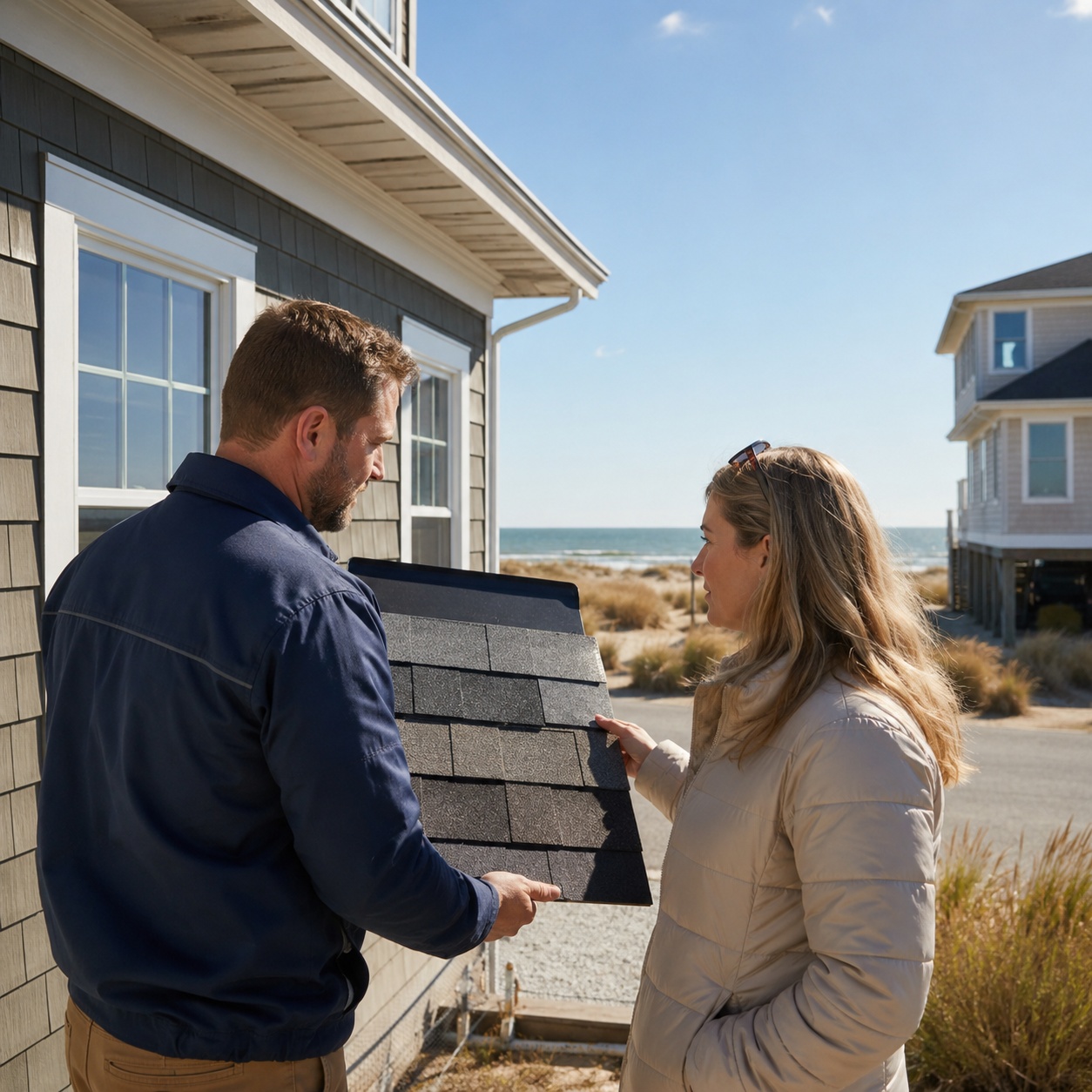
Hiring a roofing contractor with specific coastal experience is non-negotiable. A contractor who primarily works inland may not understand the nuances of salt air corrosion protection, coastal building codes, or the fastener and flashing standards required for ocean-adjacent homes.
Ask potential contractors for references from coastal projects specifically, and verify that they are licensed and insured in your state. Request a detailed written scope of work that specifies materials, fastener types, underlayment products, and warranty terms before signing any contract.
- Avoid contractors who suggest standard galvanized fasteners for coastal installations
- Be wary of unusually low bids that may indicate shortcuts on materials or labor
- Confirm that the contractor will handle permit applications and inspections
- Get at least three written quotes before making a final decision
Conclusion
Most Recommended Roofing Options for Coastal Homes
For most coastal homeowners, metal roofing , particularly aluminum roofing or standing seam metal roof systems , represents the strongest overall choice. It delivers the best combination of salt air corrosion resistance, wind resistance, roof lifespan, and low maintenance requirements. Clay tile roofing is an excellent alternative for homeowners in warm coastal climates who prefer a traditional aesthetic and have the structural support to accommodate the weight.
Synthetic roofing is the best mid-range option for homeowners who want strong coastal performance without the premium price of metal or tile. Architectural asphalt shingles remain viable for lower-exposure coastal locations but should be selected with the highest available impact resistance and wind resistance ratings.
Key Takeaways for Balancing Cost, Protection, and Longevity
The best roofing material for your coastal home is the one that matches your specific exposure level, structural capacity, budget, and long-term plans. Prioritize salt air corrosion resistance, wind uplift rating compliance, and moisture resistance above all other factors. Work with a qualified local roofing contractor who understands coastal building codes and installation standards.
Never make a final decision based on upfront cost alone. Factor in roof lifespan, roof maintenance requirements, energy efficiency benefits, and insurance implications to get a true picture of value. A well-chosen, properly installed roof protects your home, your family, and your investment for decades.
FAQ
What roofing material lasts the longest in a coastal climate?
Metal roofing, particularly aluminum roofing, zinc roofing, and copper roofing, offers the longest roof lifespan in coastal climates. These materials resist salt air corrosion, handle wind resistance demands well, and require minimal maintenance over their service life. Clay tile roofing also has an exceptional lifespan in warm coastal environments when properly installed and maintained.
How important is corrosion resistance for a coastal roof?
Salt air corrosion is one of the primary causes of premature roof failure in coastal environments. It attacks metal fasteners, flashing, and roofing surfaces, causing rust, oxidation, and structural weakening over time. Choosing materials and hardware specifically rated for coastal conditions is essential. Even small compromises on corrosion resistance , like using standard steel fasteners instead of stainless steel , can lead to significant problems within just a few years of installation.
Do I need special maintenance routines for a roof near the ocean?
Roof maintenance near the ocean should be more frequent and thorough than for inland properties. Annual professional inspections are strongly recommended, with particular attention to flashing, fasteners, and any areas where salt deposits may accumulate. Rinsing the roof surface periodically with fresh water helps remove salt buildup that accelerates corrosion and material degradation. Keep gutters clean to prevent moisture retention, and address any damaged or missing materials immediately to prevent storm damage from worsening during the next weather event.