Best Roofing Materials for Low Slope Roofs: Top Picks
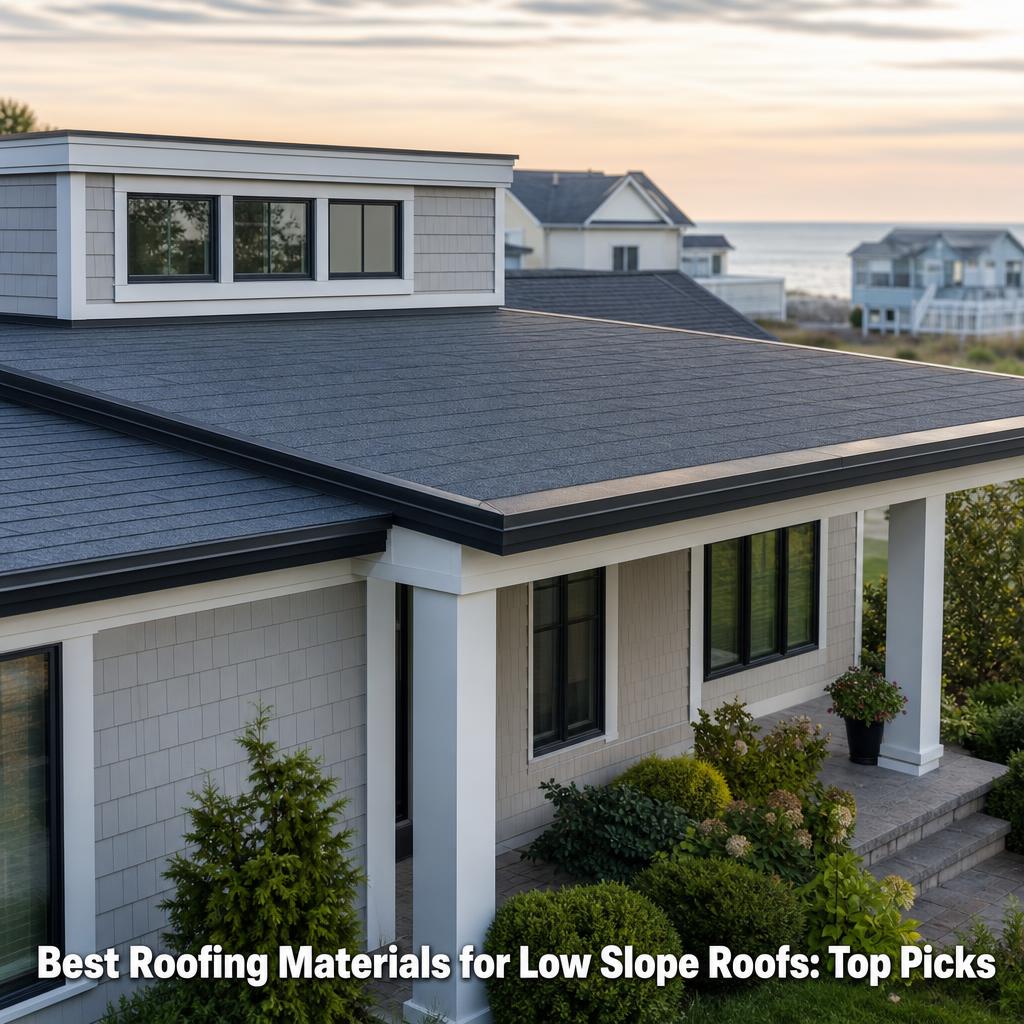
Choosing the right roofing material for a low slope roof is one of the most consequential decisions a homeowner or property manager can make. Unlike steep-pitch roofs that shed water quickly by gravity alone, low slope roofs demand materials engineered specifically for prolonged water contact, pooling resistance, and long-term waterproofing integrity. Get it wrong, and you’re looking at leaks, structural damage, and costly repairs far sooner than you should.
The good news is that the roofing industry has developed a strong lineup of materials purpose-built for flat and low slope applications. From single-ply membranes to modified bitumen systems, each option brings a distinct set of trade-offs around durability, installation complexity, energy efficiency, and total cost of ownership. Understanding those trade-offs is what separates a smart investment from an expensive mistake.
This guide walks you through every major roofing material suited for low slope applications, covering real-world performance, maintenance expectations, and practical buying advice. Whether you manage a commercial building or own a home with a low-pitch addition, you’ll leave with a clear picture of which material fits your situation best.
Understanding Low Slope Roofs and Key Selection Criteria
What Qualifies as a Low Slope Roof and Why It Matters
A low slope roof is generally defined by its pitch ratio. Roofs with a slope between one-quarter inch and three inches of rise per twelve inches of run fall into this category. Anything below that threshold is typically classified as a flat roof, though true flat roofs are rare since some minimal slope is always built in for roof drainage purposes.
The roof slope classification matters because it directly determines which roofing materials are appropriate. Standard asphalt shingles, for example, are designed for steeper pitches where water runs off before it can seep beneath overlapping layers. On a low slope roof, that same water lingers, and without a continuous waterproof membrane, it finds its way inside.
| Roof Slope Category | Pitch Range | Recommended Material Types |
|---|---|---|
| Flat Roof | Less than 1/4:12 | BUR, EPDM, TPO, PVC |
| Low Slope | 1/4:12 to 3:12 | Modified Bitumen, Single-Ply, Metal |
| Conventional Slope | 4:12 and above | Asphalt Shingles, Tile, Wood |
Essential Performance Factors: Waterproofing, Durability, and Maintenance
Waterproofing is the non-negotiable baseline for any low slope roofing material. Because water moves slowly across these surfaces, the membrane or system must form a continuous, seamless barrier. Even small gaps at seams, penetrations, or flashings can allow moisture intrusion that damages insulation, decking, and interior finishes.
Roof durability on low slope systems is measured differently than on steep roofs. UV exposure, thermal cycling, foot traffic from maintenance workers, and standing water all accelerate wear. The best materials resist all four stressors simultaneously.
Roof maintenance requirements vary significantly by material. Some systems need annual inspections and occasional recoating, while others are largely hands-off for years at a time. Factoring in maintenance frequency and cost is just as important as the upfront installation price.
Climate, Building Type, and Budget Considerations
Climate plays a major role in material selection. In hot, sunny regions, reflective roofing materials that support energy efficiency are worth the premium. In cold climates, flexibility at low temperatures matters because brittle membranes crack under freeze-thaw stress.
Building type also shapes the decision. Commercial roofing applications often prioritize longevity and low maintenance over upfront cost, while residential additions or garages may favor entry-level options that still perform reliably. Roof insulation requirements also differ between commercial and residential codes.
Budget considerations should always account for the full lifecycle, not just installation day. A premium material with a longer roof lifespan and minimal repair needs often costs less over twenty years than a cheaper system that requires frequent patching and early replacement.
Top Roofing Materials for Low Slope Roofs: Features, Benefits, and Pricing
Single-Ply Membranes (TPO, PVC, EPDM)
Single-ply membranes are the dominant choice in both commercial roofing and residential low slope applications today. They come in three primary types, each with distinct chemistry and performance characteristics.
TPO roofing (Thermoplastic Polyolefin) has become one of the most widely specified materials for low slope roofs. It offers strong heat-weldable seams, good UV resistance, and a white reflective surface that supports energy efficiency goals. TPO is considered a mid-range option in terms of cost, sitting above EPDM but below PVC in most markets.
PVC roofing shares many characteristics with TPO but adds superior chemical resistance, making it the preferred choice for restaurants, food processing facilities, or any building where grease-laden air contacts the roof surface. PVC membranes are typically the premium tier among single-ply options, reflecting their longer track record and stronger seam strength.
EPDM roofing (Ethylene Propylene Diene Monomer) is a synthetic rubber membrane that has been used on low slope and flat roofs for decades. It’s highly flexible, performs well in cold climates, and is generally the entry-level option among single-ply membranes. EPDM is available in black or white, with white versions offering better solar reflectance.
- TPO: Best for energy-conscious buildings in warm climates
- PVC: Best for chemical exposure environments and premium longevity
- EPDM: Best for cold climates and budget-conscious projects
- All three require professional roof installation for proper seaming
- Roof warranty terms vary significantly by manufacturer and installer
Modified Bitumen Roofing Systems
Modified bitumen is an asphalt-based roofing material reinforced with polymer modifiers, typically APP (Atactic Polypropylene) or SBS (Styrene-Butadiene-Styrene). It bridges the gap between traditional built-up roofing and modern single-ply membranes, offering a familiar material with improved flexibility and performance.
APP-modified bitumen is applied using a torch to heat and bond the material to the substrate. SBS-modified bitumen can be cold-applied with adhesive or self-adhered, making it a safer option in situations where open flame is restricted. Both types create a durable, multi-layer waterproofing system well-suited to low slope roofs.
Modified bitumen is a strong performer in residential low slope applications, particularly on home additions, porches, and low-pitch garage roofs. It’s also widely used in commercial roofing as a base sheet or cap sheet in multi-ply assemblies. Roof durability is solid, and the granulated surface cap sheets provide UV protection without additional coatings.
Built-Up Roofing (BUR)
Built-up roofing, commonly called BUR or a tar-and-gravel roof, is one of the oldest and most proven systems for flat and low slope applications. It consists of multiple alternating layers of bitumen and reinforcing felts, topped with a flood coat of bitumen and embedded gravel or a mineral cap sheet.
The multi-layer construction gives BUR exceptional waterproofing redundancy. If one layer is compromised, the layers beneath continue to protect the structure. This makes BUR a particularly reliable choice for large commercial roofing projects where leak risk must be minimized.
BUR systems are heavier than single-ply alternatives, which means the building structure must be able to support the added load. Roof installation requires specialized equipment and experienced crews, which can limit contractor availability in some markets. However, the long roof lifespan and proven track record make BUR a compelling option for the right application.
Metal Roofing Options for Low Slope Applications
Metal roofing is not just for steep-pitch applications. Standing seam metal panels, when properly designed with concealed fasteners and adequate seam height, can perform reliably on low slope roofs down to about one-quarter inch of rise per foot. The key is ensuring the panel profile and seam design are rated for the intended slope.
Metal roofing offers exceptional roof durability, with lifespans that routinely exceed those of membrane systems. It’s also highly resistant to fire, wind, and impact, making it a strong choice in regions prone to severe weather. If you’re also evaluating materials for other parts of your home’s exterior, understanding how roofing materials perform in demanding environments like coastal climates can inform your overall approach to building envelope decisions.
Metal roofing for low slope applications is typically a premium investment upfront. However, the combination of minimal roof maintenance, long roof lifespan, and strong energy efficiency performance through reflective coatings makes the total cost of ownership competitive over the long term.
User Experience and Real-World Performance
Installation Complexity and Contractor Availability
Not all roofing materials are equally easy to install, and contractor availability varies by region. EPDM and modified bitumen are among the more accessible options, with a broad pool of trained installers in most markets. TPO and PVC require heat-welding equipment and trained operators, which can narrow your contractor options in smaller markets.
BUR installation requires specialized kettles for heating bitumen and experienced crews familiar with multi-layer application sequences. Finding qualified BUR contractors is increasingly challenging as the industry has shifted toward single-ply membranes. Metal roofing installation for low slope applications requires fabricators and installers with specific experience in low-slope panel systems.
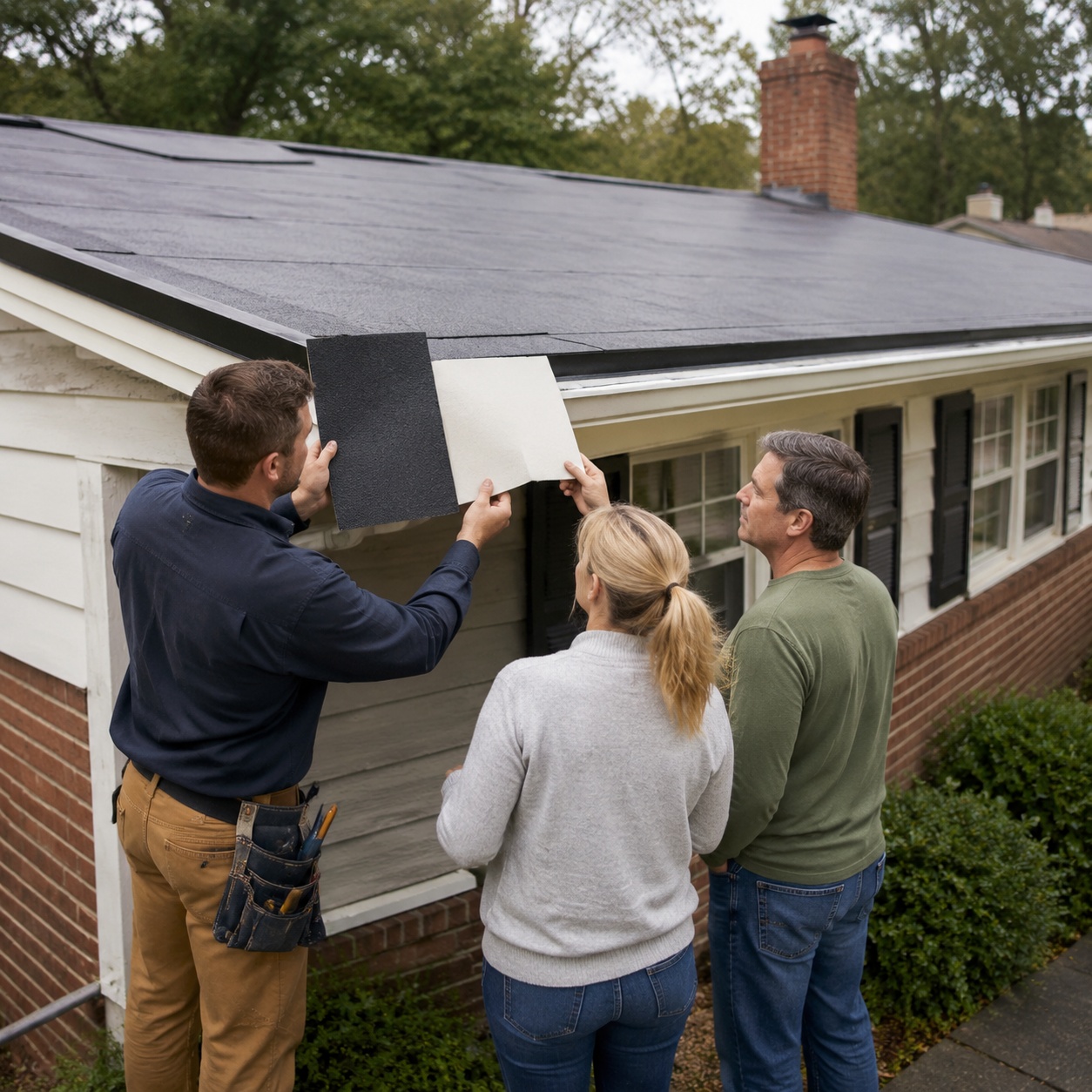
Always verify that your roofing contractor has documented experience with the specific material you’re considering. A contractor skilled in steep-slope asphalt shingles is not automatically qualified to install a TPO membrane or a standing seam metal system on a low slope roof.
Longevity, Repair Needs, and Typical Maintenance Issues
Roof lifespan varies considerably across material types. EPDM systems typically deliver solid service life with proper installation and maintenance. TPO and PVC membranes perform similarly, with PVC generally holding a slight edge in seam durability. Modified bitumen and BUR systems are known for long service lives when properly maintained. Metal roofing routinely outperforms all membrane options in raw longevity.
Roof repair needs also differ by material. EPDM is relatively easy to patch using compatible adhesive and patch material. TPO and PVC repairs require heat-welding equipment, meaning DIY fixes are not practical. BUR repairs involve hot bitumen work, which requires professional crews. Metal roofing repairs are infrequent but may require panel replacement or sealant work at seams and penetrations.
- Inspect low slope roofs at least twice per year
- Clear debris from drains and scuppers to maintain roof drainage
- Check flashings at penetrations, walls, and edges after major storms
- Address blistering, ponding water, or seam separation promptly
- Document all roof maintenance and repairs for warranty compliance
Energy Efficiency, Comfort, and Noise Considerations
Energy efficiency is a growing priority for both commercial and residential building owners. White or light-colored roofing membranes like TPO and PVC reflect solar radiation, reducing cooling loads in warm climates. This is sometimes called the “cool roof” effect, and it can meaningfully reduce energy costs in sun-intensive regions.
EPDM in its traditional black form absorbs heat, which can increase cooling loads in summer. White EPDM is available and addresses this concern, though it carries a modest cost premium. Metal roofing with reflective coatings also performs well on energy efficiency metrics, particularly when combined with proper roof insulation beneath the panels.
Noise is rarely a primary concern with membrane systems, but metal roofing on low slope applications can transmit rain noise more than membrane alternatives. Proper roof insulation beneath metal panels significantly reduces this effect, and most well-insulated metal roofs are no louder than other systems during rainfall.
Alternatives, Buying Advice, and Choosing the Best Option
When to Consider Coatings, Overlays, or Roof Replacement
Roof coatings are not a replacement for a failed roofing system, but they are a legitimate tool for extending the life of a membrane that is structurally sound but showing surface wear. Silicone, acrylic, and polyurethane roof coatings can restore reflectivity, seal minor surface cracks, and add years of service life to an aging TPO, EPDM, or modified bitumen roof.
Overlays involve installing a new roofing layer directly over an existing system. This approach avoids tear-off costs and reduces landfill waste, but it adds weight to the structure and can mask underlying problems. Most building codes limit the number of overlay layers permitted, so this is not an indefinite solution.
Full roof replacement is the right call when the existing system has widespread membrane failure, saturated insulation, or structural deck damage. Trying to coat or overlay a fundamentally compromised roof delays the inevitable and can make the eventual replacement more expensive.
How to Compare Quotes, Warranties, and Total Cost of Ownership
Getting multiple quotes from qualified roofing contractors is essential. But comparing quotes requires more than looking at the bottom line. Ensure each quote specifies the same material, thickness, attachment method, insulation R-value, and warranty terms. A lower quote that omits insulation or uses a thinner membrane is not a fair comparison.
Roof warranty terms deserve careful scrutiny. Manufacturer warranties cover material defects, while workmanship warranties cover installation errors. The best protection comes from a contractor who offers both, ideally through a manufacturer-certified installer program that backs the full system. Understand what voids the warranty, including unauthorized repairs, improper drainage, or added rooftop equipment.
Total cost of ownership is the most honest way to compare materials. Factor in installation cost, expected roof lifespan, anticipated roof maintenance and repair costs, and any energy savings from improved efficiency. A premium material that lasts significantly longer with minimal upkeep often wins on total cost even when it loses on day-one price. For an accurate picture of what your specific project will cost, request a free written quote from a qualified contractor who has inspected your roof.
Material Selection Checklist for Homeowners and Property Managers
Making a final material decision is easier with a structured checklist. Work through these considerations before committing to any system.
- Confirm the actual roof slope and verify material compatibility
- Assess local climate for temperature extremes, UV intensity, and precipitation
- Evaluate roof drainage design and address any ponding water issues
- Determine roof insulation requirements for energy code compliance
- Check structural load capacity if considering BUR or metal roofing
- Verify contractor experience with the specific material being considered
- Compare full warranty terms, not just headline coverage periods
- Calculate total cost of ownership across the expected roof lifespan
- Confirm local permit requirements and inspection processes
If your property is in a region with high wind exposure, it’s also worth reviewing how wind-rated roofing systems are evaluated and specified to ensure your low slope system meets local wind uplift requirements. Roofing decisions rarely exist in isolation, and the best outcomes come from thinking about the full building envelope together.
Conclusion
Low slope roofs demand materials that go beyond basic weather resistance. The right choice depends on a careful combination of climate, building type, budget, contractor availability, and long-term performance expectations. Single-ply membranes like TPO, PVC, and EPDM roofing dominate the market for good reason, offering reliable waterproofing, manageable maintenance, and strong manufacturer support. Modified bitumen and built-up roofing remain excellent choices where multi-layer redundancy and proven track records matter most. Metal roofing earns its place at the premium end of the spectrum for owners who prioritize longevity above all else.
No single material is universally best. The best roofing material for your low slope roof is the one that matches your specific conditions, is installed by a qualified contractor, and is backed by a warranty you understand. Use the checklist in this guide, get multiple quotes, and make your decision based on total cost of ownership rather than upfront price alone.
FAQ
What is the most cost-effective roofing material for a low slope roof?
Cost-effectiveness depends on how you define it. EPDM roofing is typically the entry-level option among single-ply membranes and carries a lower upfront installation cost than TPO or PVC. However, if you factor in roof lifespan, maintenance costs, and energy efficiency over time, mid-range options like TPO often deliver better total value. The most cost-effective choice for your project depends on your climate, building use, and how long you plan to own the property. A written quote from a qualified roofing contractor is the only reliable way to compare real costs for your specific situation.
Can traditional shingles be used on a low slope roof?
Standard asphalt shingles are not appropriate for low slope roofs. They are designed for pitches of four-in-twelve or steeper, where water sheds quickly before it can infiltrate beneath overlapping layers. On a low slope roof, water moves too slowly for shingles to provide adequate waterproofing. Some manufacturers produce specialty low-slope shingle products, but these are limited in availability and performance compared to purpose-built membrane systems. For any roof below a three-in-twelve pitch, a continuous waterproof membrane system is the correct approach.
How long do low slope roofing systems typically last?
Roof lifespan varies by material and installation quality. EPDM and modified bitumen systems deliver solid service life under normal conditions with proper maintenance. TPO and PVC membranes perform comparably, with PVC often holding a slight edge in seam durability over time. Built-up roofing systems are known for long service lives when maintained correctly. Metal roofing consistently outperforms membrane systems in raw longevity, often lasting significantly longer than any membrane alternative. In all cases, proper roof installation, adequate roof drainage, and regular roof maintenance are the biggest factors determining how long any system actually lasts.